

In today's challenging corporate environment, understanding and handling customer connections is more important than ever. For those new to the realm of customer relationship administration, or CRM, navigating this software can feel overwhelming. Nevertheless, armed with the right advice, it can transform into an invaluable tool to improve interactions, streamline operations, and boost general customer satisfaction.
CRM systems helps businesses of all sizes maintain meaningful connections with their clients. It allows you to gather, analyze, and leverage customer data efficiently, facilitating personalized engagements that can lead to enhanced loyalty and revenue. In this guide, we will examine the key features of CRM software, its benefits, and useful tips on how to implement it in your company. By the conclusion, you'll be equipped with the knowledge to advance your customer relationships to the next stage.
Grasping CRM Software
Customer Relationship Management applications is created to support companies manage interactions with existing and potential clients. It consolidates customer information, providing a complete view of each interaction in the customer experience. From monitoring Serv-U to handling support tickets, CRM applications enhances processes and facilitates collaboration across multiple departments. This efficiency enables companies to serve their clients more effectively and tailor their promotional efforts.
One of the main features of Customer Relationship Management applications is its feature to store and process customer data. This comprises contact information, purchase records, and communication records, which can provide insightful information into customer behavior. By utilizing this information, businesses can identify trends and preferences, allowing them to create more customized experiences. Efficient use of information not only improves customer contentment but also boosts the chances of repeat purchases.
Additionally, CRM applications often syncs with other tools and platforms, making it a versatile approach for managing customer relationships. This integration can include email marketing, social media, and e-commerce systems, creating a seamless flow of data across channels. As a result, teams can collaborate more effectively, making sure that everyone involved has access to current customer information. This holistic method to customer management can significantly influence business growth and customer loyalty.
Key Features of CRM Systems
One of the most important features of CRM software is customer contact management. It facilitates businesses to store and organize customer information in a centralized database. With in-depth profiles, organizations can record customer interactions and preferences, making it easier to personalize communication and improve customer satisfaction. Being capable to quickly access information about a client's history, such as previous purchases or service requests, enables businesses to deliver a more personalized experience.
Another key feature, is sales automation, which aids streamline sales processes. CRM systems often feature tools to handle leads, perform follow-ups, and track sales performance. By automating repetitive tasks such as sending emails or scheduling meetings, sales teams can focus increased on building relationships with customers, thereby leading to higher sales and improved productivity. This feature also generally includes reporting tools that offer insights into sales trends and team performance.
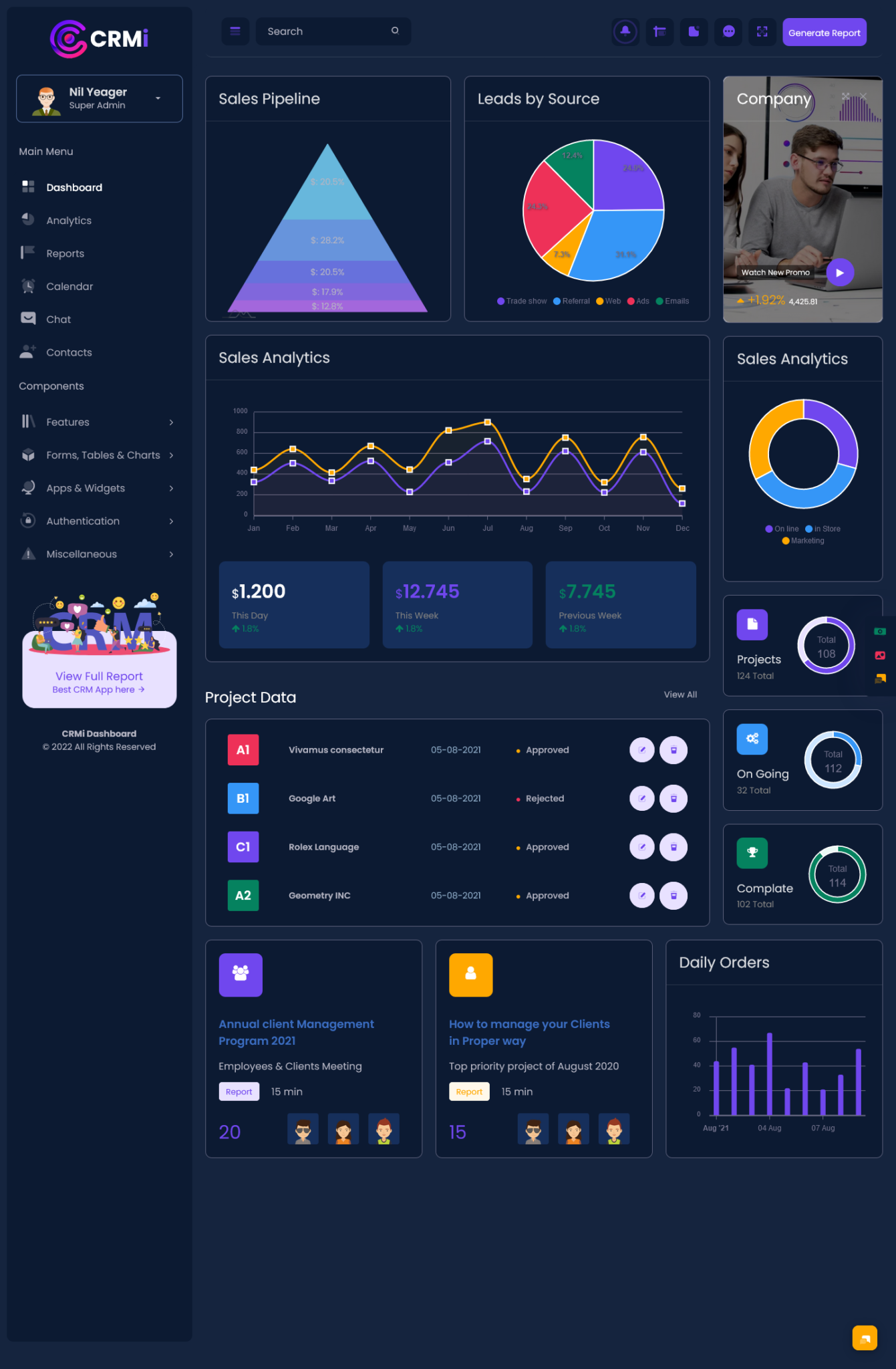
In conclusion, CRM software often connects with other business tools, enhancing overall efficiency. For instance, integration with email platforms, marketing automation tools, and customer support systems allows for seamless data sharing. This integration ensures that all teams within an organization can access the same customer information, fostering collaboration and delivering a unified customer experience. Organizations can make informed decisions more effectively when their CRM system works in harmony with other solutions.
Advantages of Utilizing CRM for Client Management
Adopting CRM systems substantially enhances an organization’s ability to comprehend and satisfy customer needs. By centralizing customer information, organizations gain insights into customer likes, actions, and purchase history. This data allows for increased personalized communication and customized service offerings, enhancing overall customer satisfaction and loyalty.
Additionally key advantage of CRM systems is the productivity they bring to customer management processes. Automated features streamline tasks such as follow up tasks, planning, and data reporting, freeing up valuable time for sales and support teams. With a successfully deployed CRM, teams can focus more on developing relationships and securing deals rather than juggling administrative tasks, ultimately enhancing productivity.
In addition, CRM software encourages improved collaboration among team members. By providing a common platform, all involved departments can access and update customer information in real-time. This confirms everyone is on the same wavelength regarding customer interactions, which leads to a better cohesive approach to customer service and a better experience for clients.